




Short answer

Ask for the exact rejection reason and which field must change. Correct only that issue, keep the original reference and avoid opening several new destinations. If the explanation is vague, move to the formal complaints process.
Start with the exact status
A rejection sends the request back before final settlement. Funds may return to the gambling balance or remain restricted while the cause is corrected.
Likely explanations
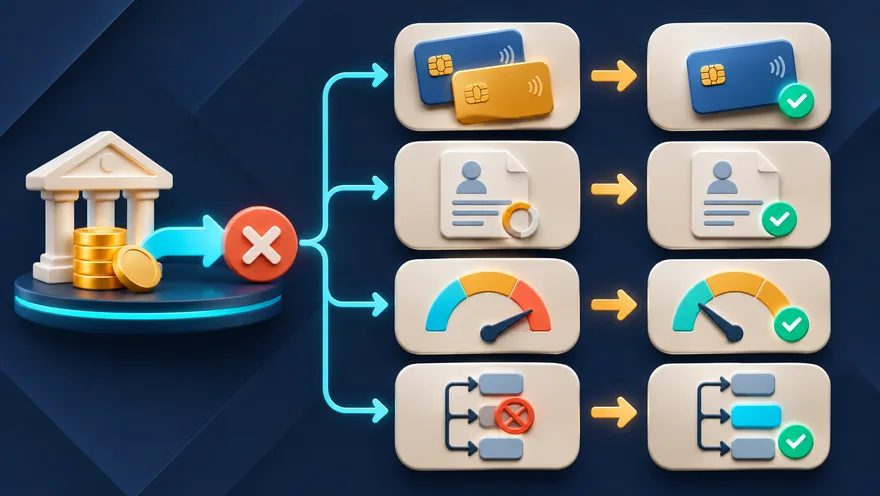
The main categories are destination cannot receive the payment, card or account details no longer match, name or ownership evidence is incomplete, the requested amount conflicts with a disclosed limit, and the operator identifies a rules or compliance issue. These are diagnostic categories, not conclusions about a specific account. The operator’s written reason and transaction record are the evidence.
What to do now
Ask for the exact rejection reason and which field must change. Correct only that issue, keep the original reference and avoid opening several new destinations. If the explanation is vague, move to the formal complaints process.
Evidence pack
Keep the request time, amount, currency, masked destination, status history, transaction reference, relevant terms as displayed on the date, document requests and support replies. Write a short timeline. Do not send unredacted financial data unless the recipient, purpose and secure upload route are clear.
What not to do
Do not create several new accounts or payment destinations, submit altered documents, ask for a way around KYC, disable a protective bank block or keep depositing to “unlock” a payout. Those actions can add risk and make the record harder to follow.
Escalation boundary
Ask for a written final response through the operator’s formal complaints route. The Gambling Commission receives reports and regulates businesses, but it does not decide individual transaction disputes. ADR comes after the operator process, subject to the scheme’s remit.
Diagnostic record
| Field | What to record | Why it matters |
|---|---|---|
| Status | Exact label and screenshot time | Locates the stopped stage |
| Clock | Requested, approved, sent, credited | Separates operator and bank time |
| Reason | Exact written wording | Avoids guessing |
| Reference | Operator and provider IDs | Enables a trace |
| Remedy | Specific correction or payment requested | Makes a complaint actionable |
Practical checklist
- Record the exact status and time.
- Identify the operator, payment rail and receiving account.
- Save both transaction references.
- Check the written time window and currency.
- Escalate with a short evidence-based timeline.
Questions people ask
Should I keep contacting live chat every hour?
No. Ask once for the owner, reason and update time, then use the formal complaint route if the written window is exceeded.
Can support ask for my password or one-time code?
No legitimate payment or verification check needs your password or authentication code.
Is this legal advice?
No. It is an editorial troubleshooting framework; seek independent legal advice for litigation or significant sums.
Continue the route
Sources checked 2026-11-18
- https://www.gamblingcommission.gov.uk/public-register/businesses
- https://www.gamblingcommission.gov.uk/public-and-players/guide/gambling-and-young-people
- https://www.gamblingcommission.gov.uk/public-and-players/page/i-can%27t-withdraw-my-winnings
- https://www.gamblingcommission.gov.uk/blog/post/key-issues-and-our-expectations-concerning-account-withdrawals
Editorial note: Availability, fees, limits and processing windows can change. Check the live cashier and current first-party terms. Examples are illustrative and do not predict a result.